
Protecting Clinician Brain Capacity in High-Demand Healthcare Systems
A physician-led approach to understanding the neurobiology of chronic stress, preventing burnout, and sustaining cognitive performance in modern healthcare.

Healthcare professionals are expected to sustain care with accuracy, compassion, and complex decision-making under continuous pressure.
Yet the human brain has biological limits.
Dr. Rozina Lakhani, board-certified psychiatrist and physician educator, works with healthcare organizations to address the neurobiological impact of chronic stress, cognitive overload, and system strain on clinicians.
Her work helps medical professionals recognize early warning signs of burnout, preserve cognitive performance, and protect long-term mental wellbeing before crisis occurs.

Discover what your results reveal about how your brain performs under pressure,
and the next steps to optimize your mental performance.
The Reality of Modern Healthcare
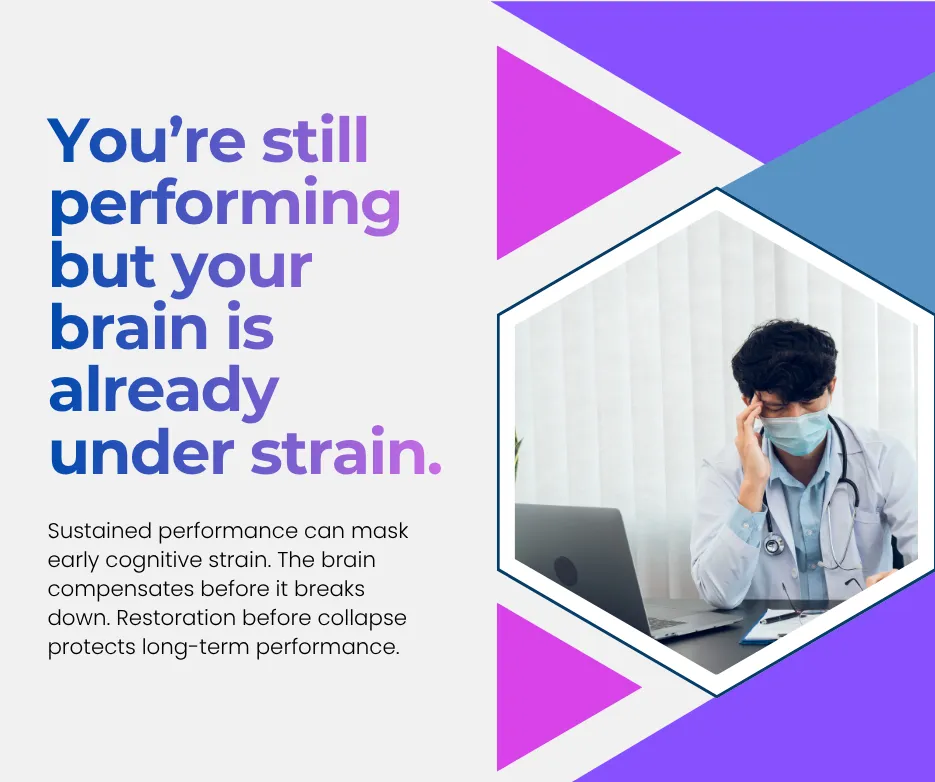
Medicine is practiced in environments of sustained cognitive demand and emotional responsibility.
Clinicians routinely manage:
• prolonged decision-making under uncertainty
• high patient volume and time pressure
• electronic documentation burden
• emotional exposure to suffering and loss
• increasing administrative complexity
• ethical and moral distress
Over time, chronic activation of the stress response can alter brain function.
Many clinicians initially dismiss the early signals as “part of the job.”
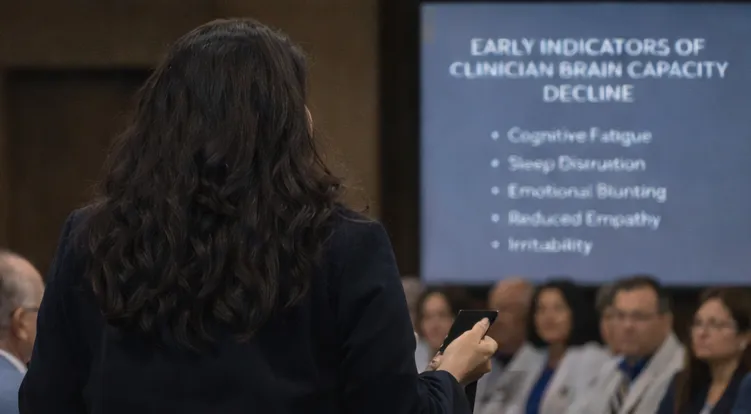
Common early indicators include:
• persistent cognitive fatigue
• reduced mental clarity or decision speed
• sleep disruption
• irritability or emotional blunting
• declining empathy or compassion fatigue
• decreased sense of professional fulfillment
• moral injury and identity strain
When these patterns persist without intervention, the consequences can include:
• burnout
• depression or anxiety disorders
• workforce attrition
• reduced cognitive performance
• increased patient safety risk

A Physician’s Perspective on Healthcare & Clinical Education
Evidence-Based Mental Health Education for Clinicians & Organizations
Dr. Rozina Lakhani brings both clinical expertise and lived experience to this work. delivers high-impact, science-backed education designed for healthcare professionals, hospitals, and multidisciplinary teams.
She is a board-certified psychiatrist with over 27 years of experience, and a physician who has personally navigated the realities of professional burnout. Her work integrates neuroscience, psychiatry, and precision health to support both patient outcomes and clinician wellbeing—bridging the gap between research and real-world practice.
Whether addressing burnout, depression, or advanced treatment modalities, each session is designed to be practical, applicable, and immediately actionable.
Her work integrates:
• Neurobiology of chronic stress and burnout
• Cognitive load and executive function under sustained demand
• The psychological identity load carried by healthcare professionals
• Early detection of performance erosion
• Brain optimization strategies for sustainable performance
• Structured recovery pathways for clinicians experiencing burnout
• Education on modern psychiatric and advanced treatment approaches when appropriate.
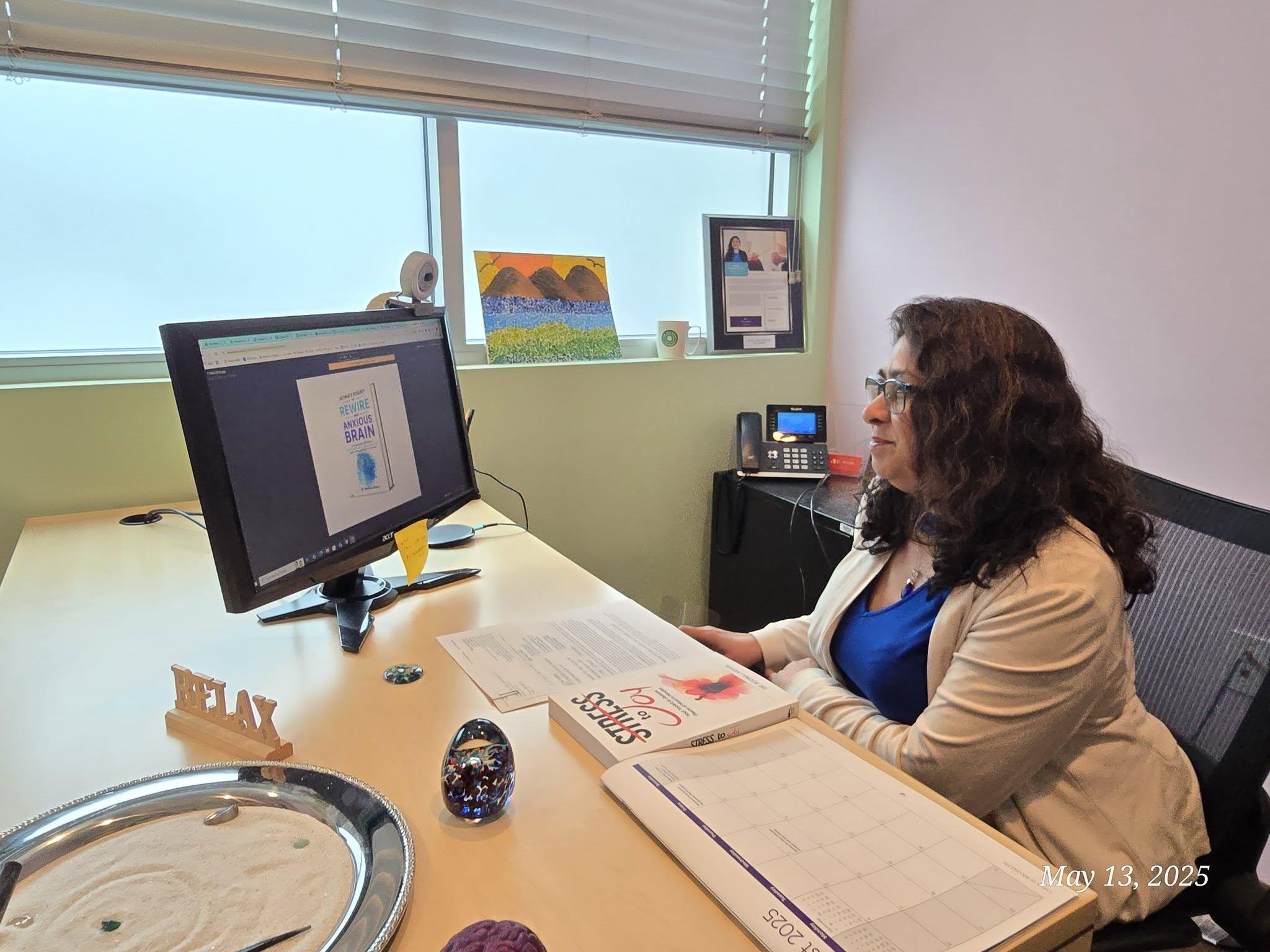
This is not a traditional wellness programming.
It is an evidence-informed brain capacity protection designed for mission-driven professionals working in high-stakes systems.
Dr. Rozina’s broader mission is to empower individuals and organizations with the knowledge needed to prevent mental illness and promote long-term mental wellbeing.
Core CME & Clinical Topics
Dr. Rozina delivers keynote lectures, educational sessions, and clinical discussions designed for medical audiences.
Topics may include:
🧠 Biology of Burnout: Understanding Adrenal Dysregulation
Burnout is not just emotional; it is biological.
This session explores the neurophysiology of chronic stress, including HPA axis dysregulation,
hormonal impact, and cognitive consequences.
Clinicians will learn how to identify early warning signs and
implement targeted interventions to prevent long-term damage.
🛡️ The 5 Lines of Defense Against Depression
A Practical Framework for Clients & Clinicians
A structured, integrative approach combining biological, psychological, and lifestyle-based strategies.
Participants will gain:
-Early detection tools
-Evidence-based intervention strategies
-A clear framework for prevention and recovery
Designed for both clinical application and patient education.
⚡ Advanced Neuromodulation Therapies for
Treatment-Resistant Depression
(Including TMS & Esketamine/Spravato)
An in-depth exploration of cutting-edge treatments for patients who do not respond to conventional therapies.
Covers:
-Mechanisms of action
-Patient selection criteria
-Clinical outcomes & safety
-Integration into practice
Ideal for psychiatrists, physicians, and mental health specialists.
🔄 Rewire Your Anxious Brain
A Neuroscience-Based Approach to Anxiety Recovery
A practical framework rooted in neuroplasticity to help patients regulate their nervous system and reduce anxiety.
Includes:
-Brain-based understanding of anxiety
- Tools for emotional regulation
-Long-term resilience strategies
ADDITIONAL TOPICS:
Burnout in High-Performing Professionals
Cognitive Optimization Under Pressure
Emotional Regulation & Stress Recovery Protocols
Workplace Mental Health & Psychological Safety

Ideal Healthcare Settings
Dr. Rozina works with healthcare organizations seeking evidence-based approaches to clinician wellbeing.
Programs are suitable for:
• hospital and health system grand rounds
• medical conferences
• physician leadership programs
• nursing leadership development
• CME / CE educational events
• residency and fellowship education
• clinician wellbeing initiatives
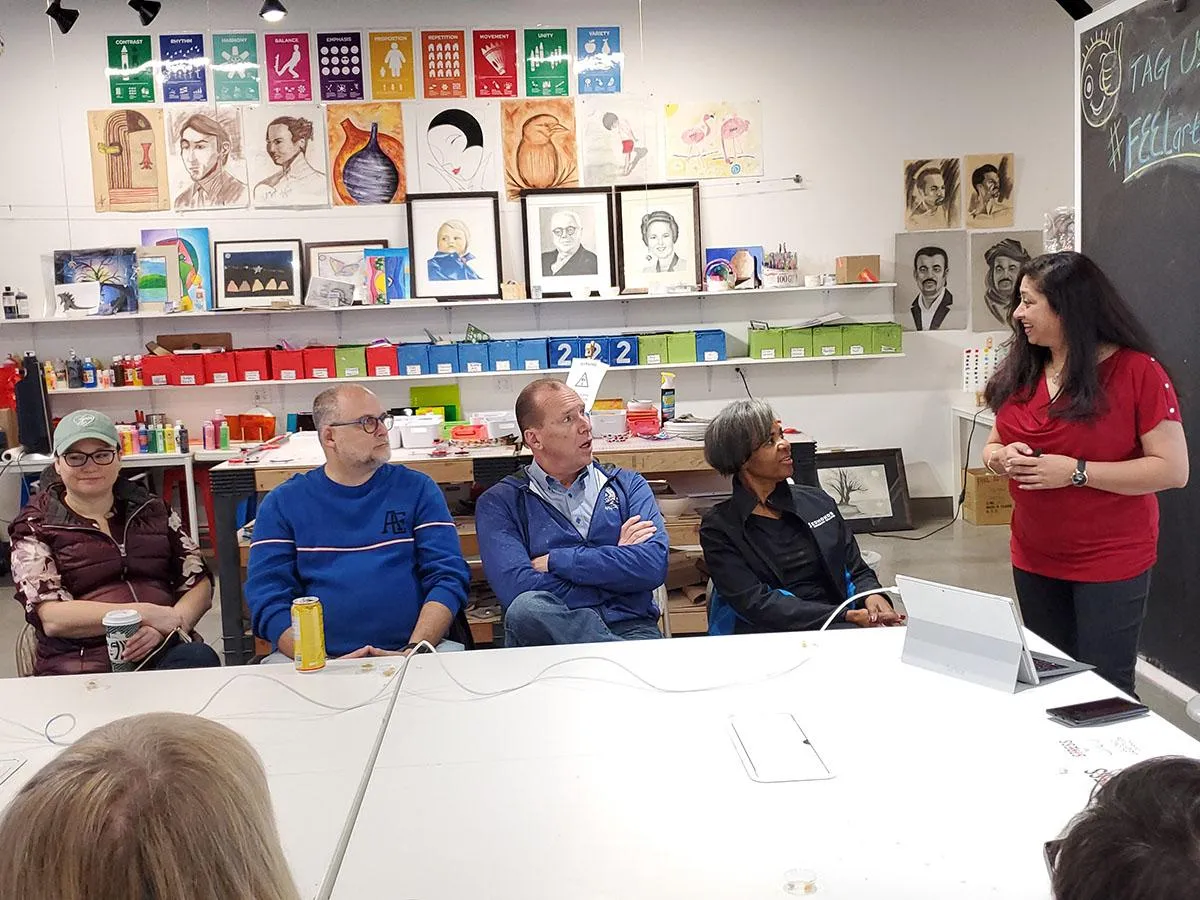
Why Organizations Choose Dr. Rozina
• Science-backed, evidence-based content
• Practical frameworks that can be implemented immediately
• Integrates neuroscience, clinical practice, and lifestyle medicine
• Focus on both patient outcomes and clinician sustainability
• Engaging, clear, and applicable delivery style
Outcomes You Can Expect
• Improved clinical confidence in managing burnout and depression
• Better patient engagement and treatment outcomes
• Clear frameworks for early intervention
Increased awareness of advanced treatment options
• Enhanced clinician wellbeing and resilience


About Dr. Rozina
Dr. Rozina Lakhani, MD, MPH is a board-certified psychiatrist with over 27 years of clinical experience specializing in stress-related mental health conditions, burnout, and cognitive wellbeing.
She has worked extensively with individuals experiencing chronic stress, anxiety, depression,
and professional burnout.
Drawing on both clinical practice and lived experience as a physician who has navigated burnout herself, Dr. Rozina focuses on helping healthcare professionals understand the neurobiological impact of sustained stress on brain function, decision-making, and emotional resilience.
She is the author of Stress to Joy and The Ultimate Toolkit to Rewire Your Anxious Brain, and the creator of the Brain Optimization Framework, which helps individuals recognize early signs of cognitive overload and protect long-term mental wellbeing.
Dr. Rozina’s mission is to empower individuals and organizations with practical, science-informed knowledge to prevent mental illness and promote sustainable brain health in high-demand professions.
Work with Dr. Rozina
Partner with Dr. Rozina to support clinician wellbeing, reduce cognitive strain, and strengthen sustainable performance across healthcare teams.


